FAQ - Frequently Asked Questions
Ask Us Anything!
What is pressure washing?
Pressure washing is a cleaning method that uses high-pressure water to remove tough dirt, grime, grease, mold, mildew, and stains from hard surfaces. It is ideal for durable materials that can withstand strong water pressure without damage.
What is soft washing?
Soft washing is a low-pressure cleaning method that uses specialized cleaning solutions to safely break down organic growth like mold, algae, mildew, and bird droppings. It is designed for more delicate surfaces where high pressure could cause damage.
What is the difference between pressure washing and soft washing?
The main difference is water pressure and application method:
Pressure washing relies on high-pressure water to clean hard surfaces.
Soft washing uses low pressure combined with cleaning solutions to gently clean and sanitize surfaces.
A professional exterior cleaning company will choose the correct method based on the surface being cleaned.
Which surfaces should be pressure washed?
Pressure washing is best for hard, durable surfaces such as:
Concrete driveways and sidewalks
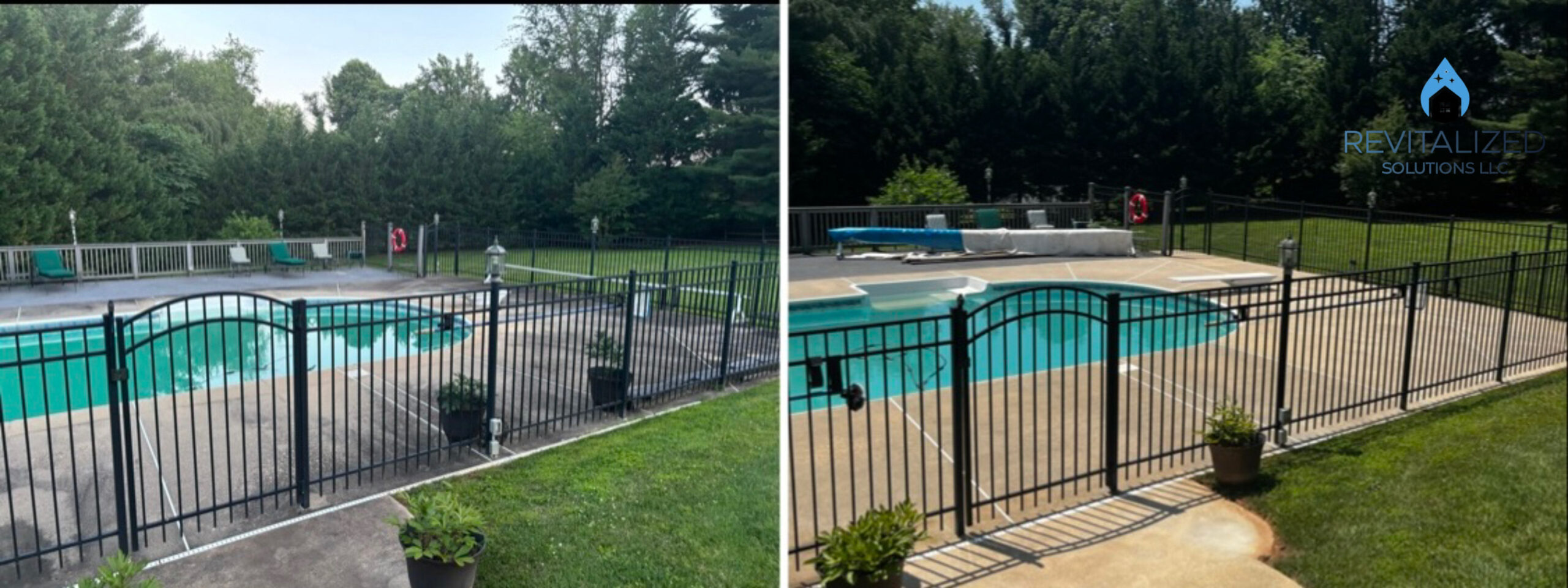
Patios and pool decks
Pavers and stone walkways
Parking lots and garages
Curbs and loading areas
Which surfaces should be soft washed?
Soft washing is recommended for more delicate or coated surfaces, including:
Home and building siding (vinyl, brick, stucco, wood)
Roofs (asphalt shingles, metal, tile)
Awnings and canopies
Gutters and soffits
Fences and decks
Solar panels
Is pressure washing safe for my home?
Yes — when done by trained professionals. Improper pressure washing can cause damage, but professional technicians adjust water pressure, nozzle selection, and technique to ensure surfaces are cleaned safely and effectively.
Can pressure washing damage concrete or siding?
If performed incorrectly, excessive pressure can etch concrete, remove surface layers, or force water behind siding. This is why professional assessment and proper equipment settings are essential for safe exterior cleaning.
Is soft washing safe for roofs?
Yes. Soft washing is the recommended method for roof cleaning because it removes algae, moss, and lichen without damaging shingles or voiding manufacturer warranties. High pressure should never be used on roofs.
Does soft washing kill mold, algae, and mildew?
Yes. Soft washing solutions are designed to kill organic growth at the root, not just rinse it away. This results in a longer-lasting clean compared to pressure washing alone.
Patio & Sealing Questions
What is sealing and why is it important?
Sealing is the process of applying a protective coating to surfaces like concrete, pavers, brick, and stone. A quality sealer helps protect against moisture intrusion, UV damage, oil stains, algae growth, and surface deterioration while enhancing the appearance and longevity of the surface.
What surfaces can be sealed?
We seal:
Concrete driveways and sidewalks
Paver patios, walkways, and driveways
Brick surfaces and retaining walls
Stamped concrete and decorative concrete
Pool decks and entryways
- Flagstone and natural stone patios
What types of sealers are available?
We select sealers based on surface type, usage, and desired appearance.
Acrylic Sealers
Enhance color with satin or wet-look finishes
Ideal for pavers and decorative concrete
Lifespan: 1–3 years
Penetrating (Silane/Siloxane) Sealers
Absorb into the surface with no visible coating
Maintain natural appearance
Lifespan: 4–7 years
Polyurethane Sealers
Extremely durable and chemical-resistant
Great for high-traffic areas
Lifespan: 4–7 years
Epoxy Sealers (indoor/commercial use)
Industrial-strength protection
Best for garages and commercial floors
Lifespan: 5–10 years
How long does sealer last?
Sealer longevity depends on surface type, sealer used, foot and vehicle traffic, and weather conditions:
Acrylic: 1–3 years
Penetrating: 4–7 years
Polyurethane: 4–7 years
Epoxy (indoor): 5–10 years
Regular maintenance and proper surface preparation can extend sealer lifespan.
Will sealing change the look of my surface?
It depends on the sealer:
Penetrating sealers leave a natural, matte finish
Acrylic and polyurethane sealers can provide color enhancement or a wet look
How long does sealing take to dry?
Touch-dry: 2–4 hours
Foot traffic: 6–12 hours
Vehicle traffic: 24–48 hours
Dry times vary based on temperature and humidity.
.
How often should I reseal my driveway or patio?
Decorative concrete & pavers: Every 2–3 years
Penetrating sealed concrete: Every 4–5 years
High-traffic areas may require more frequent resealing
Is sealing environmentally safe?
Many modern sealers are:
Low-VOC or water-based
Safe for surrounding landscaping when applied correctly
We follow manufacturer guidelines and environmental best practices
Can sealing prevent weeds and ants in pavers?
Yes. Joint-sanding combined with proper sealing helps:
Harden joint sand
Reduce weed growth
Deter ants and insect activity
While sealing helps significantly, no system is 100% weed-proof and nature-proof.
Do you clean surfaces before sealing?
Yes. Every sealing project includes professional pressure washing or soft washing to remove dirt, algae, stains, and residue to ensure proper sealer adhesion.
When is the best time of year to seal?
Ideal sealing conditions include:
Temperatures between 50°F–90°F
Dry surfaces
No rain for 24 hours after application
Spring, summer, and early fall are best.
Contact Us
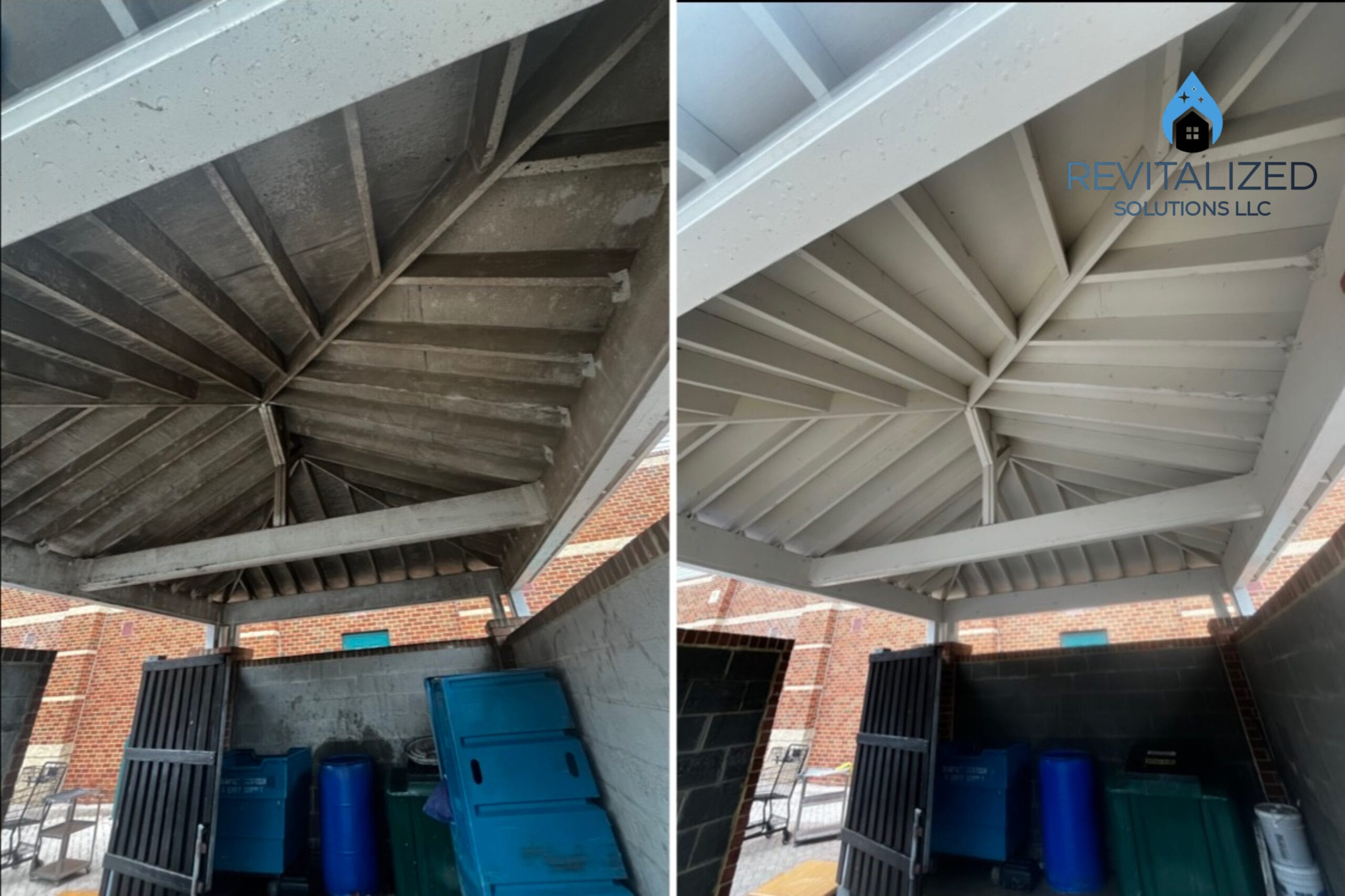
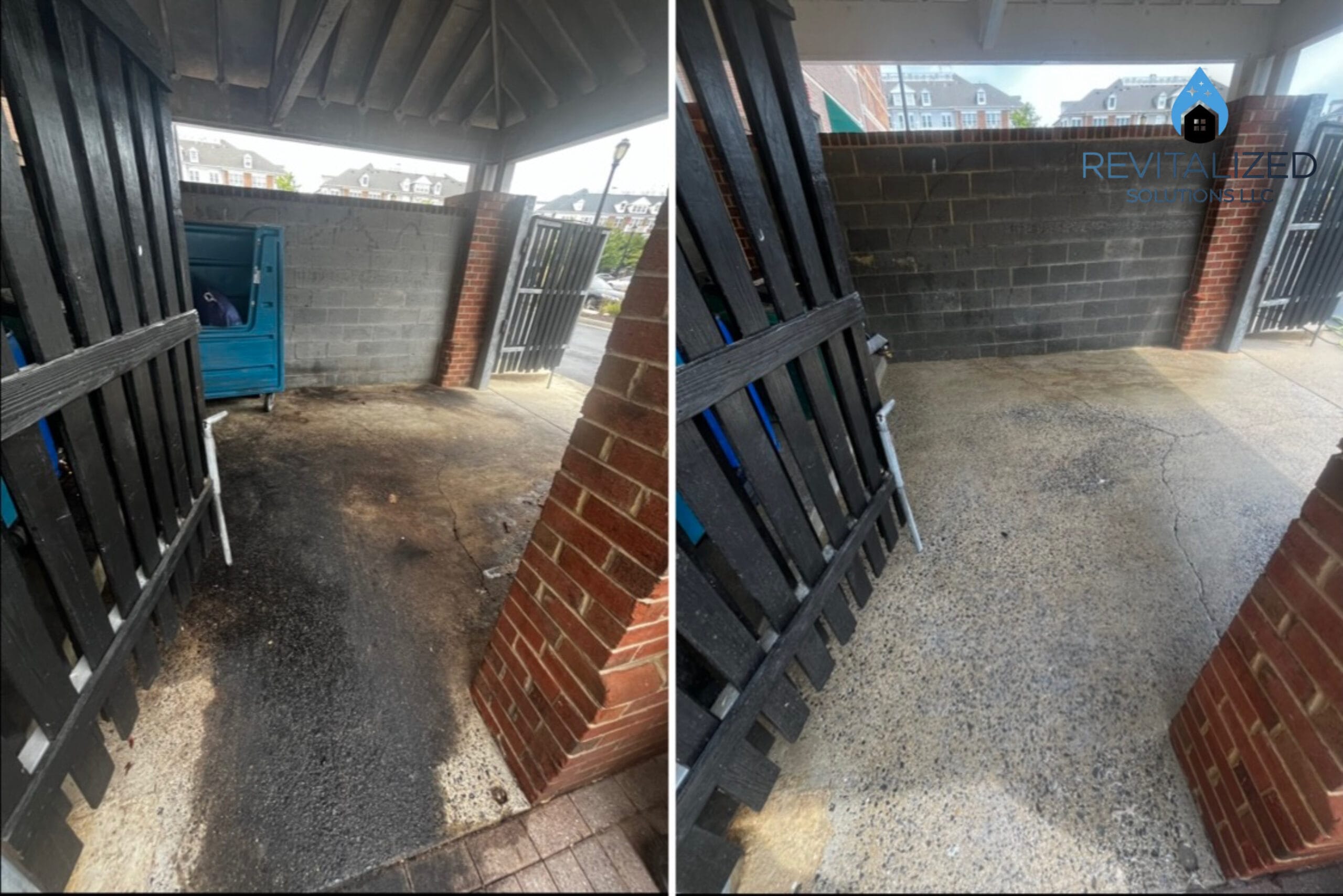
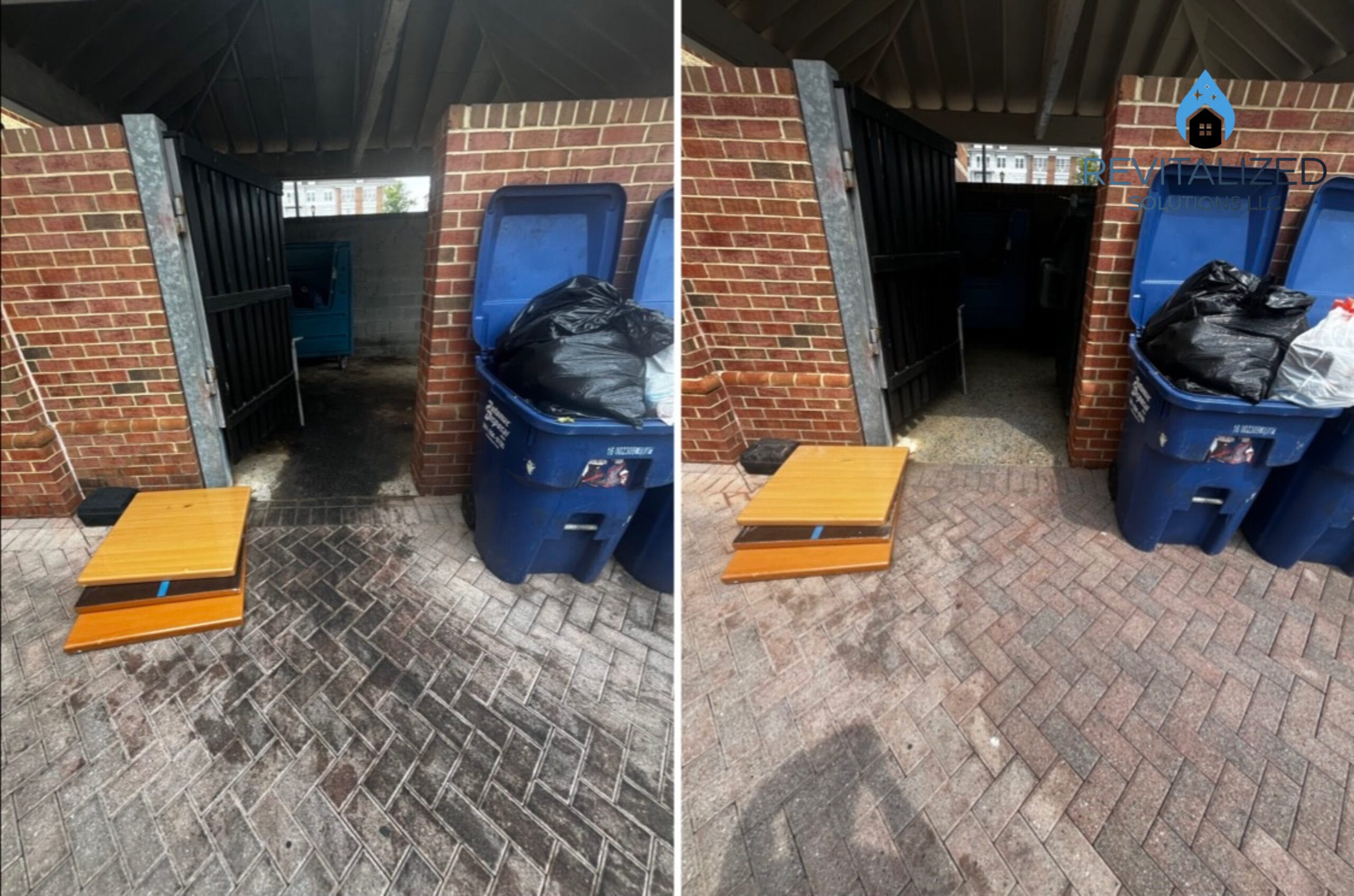
View some of our work


View Some of our additional sERVICES
Soft Wash & Pressure Wash
Decks & Patios
House Wash & Siding
Retainer Walls
Fence Wash
Wood Restoration
Concrete Driveways and Sidewalks
Rust & Grease Stains
Trash Bins
Patios / Pavers / Stone
Paver Re-sanding
Concrete / Paver / Stone Sealing
Asphalt Sealing
Roof Wash
Trucks / Trailers
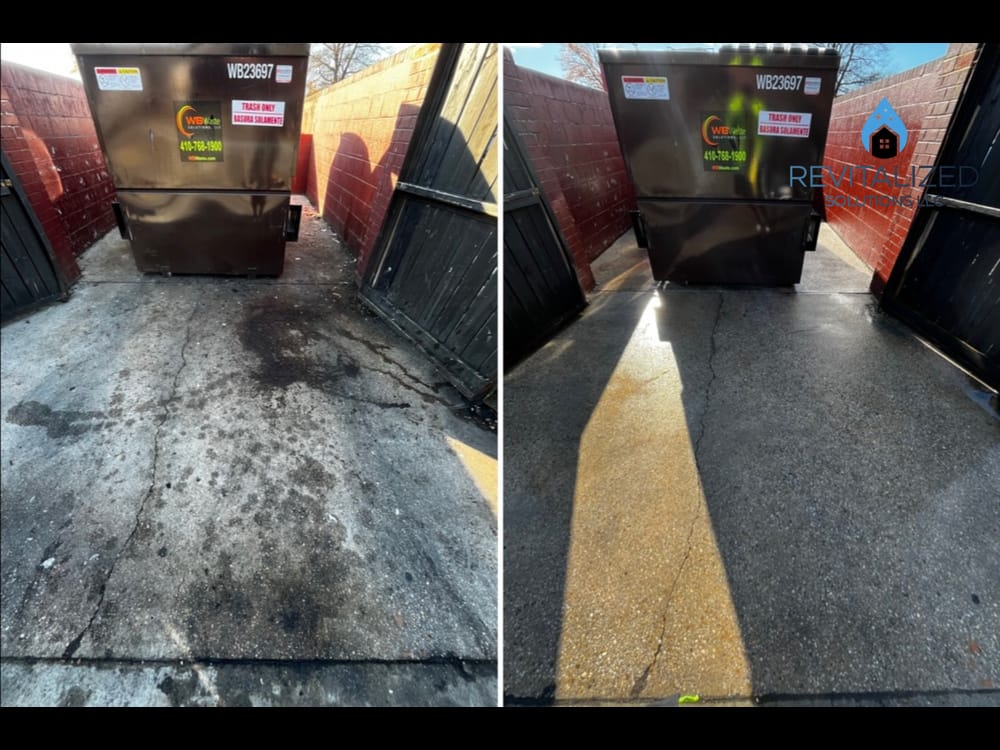
Dumpster Pads
At Revitalized Solutions LLC, we provide top-rated pressure washing, soft washing, and surface cleaning services to residential and commercial clients across Montgomery County, Fairfax County, and Baltimore County. Whether you need house washing, roof soft washing, driveway cleaning, or trash bin sanitization, our team is here to help you keep your property looking its best.
We Proudly Serve The Following Areas:
Montgomery County, MD:
Bethesda, Potomac, Rockville, Gaithersburg, Silver Spring, Germantown, Potomac, Wheaton, Takoma Park, Olney, Chevy Chase, Kensington, Clarksburg, Aspen Hill, Damascus, Derwood, North Bethesda, White Oak, Montgomery Village, Laytonsville, Poolesville, Cabin John, Glen Echo, Brookeville, Burtonsville, Colesville, Hillandale, North Potomac
Fairfax County, VA:
Fairfax, Alexandria, McLean, Herndon, Reston, Vienna, Annandale, Burke, Chantilly, Lorton, Springfield, Falls Church, Oakton, Centreville, Great Falls, Fairfax Station, Mount Vernon, Tysons, Merrifield, Fort Hunt, Huntington, Franconia, Kingstowne, Rose Hill, Seven Corners, Bailey’s Crossroads
Baltimore County, MD:
Towson, Catonsville, Dundalk, Essex, Pikesville, Parkville, Owings Mills, Cockeysville, Randallstown, Lutherville, White Marsh, Middle River, Reisterstown, Perry Hall, Woodlawn, Rosedale, Timonium, Arbutus, Carney, Loch Raven, Kingsville, Hunt Valley, Baldwin, Glyndon, Windsor Mill
Don’t see your city listed? We likely still serve your area.
Call or text us at (240) 644-2420 to get a free quote and schedule your service today!
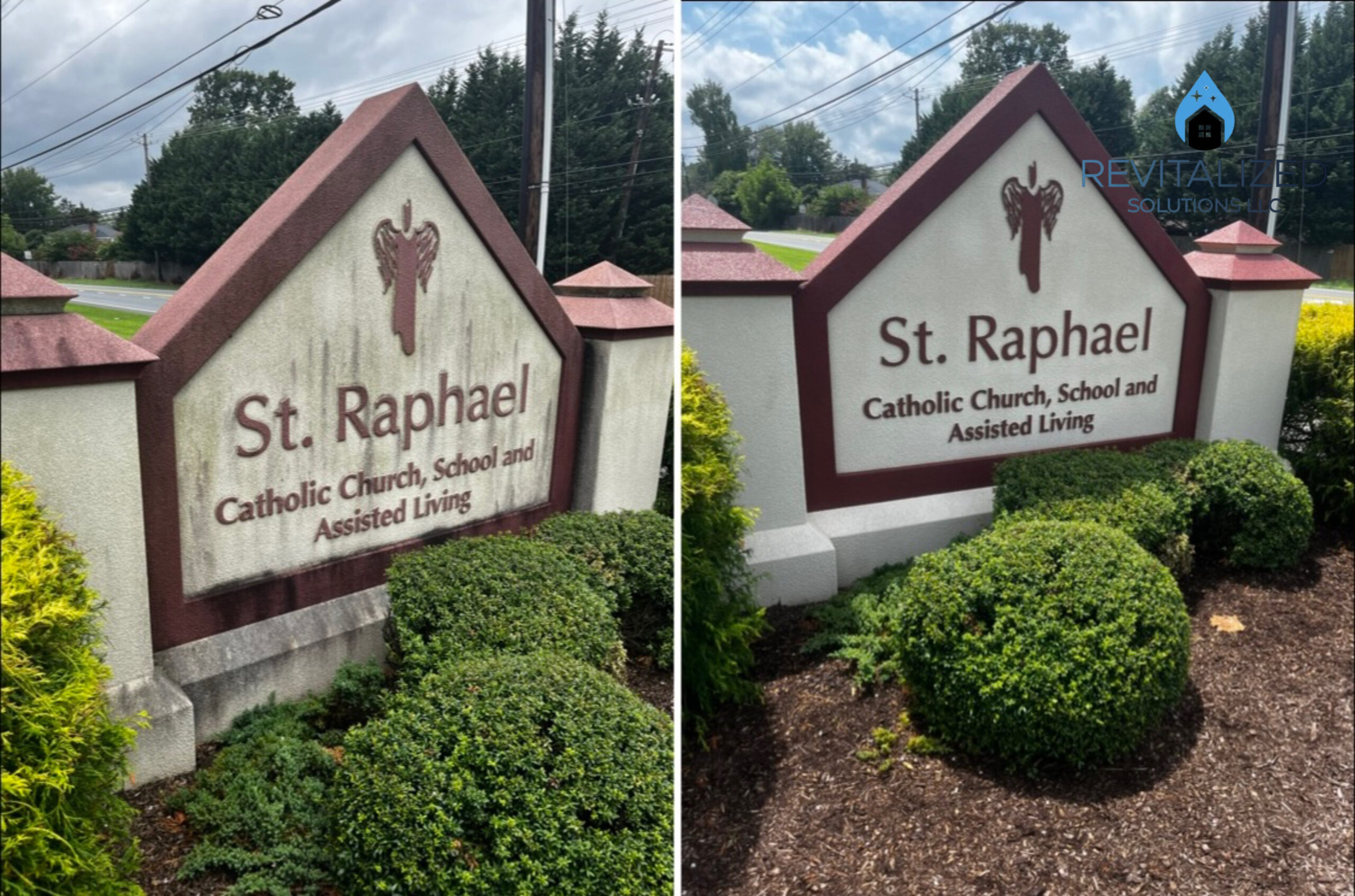
EXCELLENTTrustindex verifies that the original source of the review is Google. Revitalized solutions did a fantastic job on my church. The sign looked old and worn down before and now it looks good as new! Junil was quick and professional. Will definitely be using their services again!Posted onTrustindex verifies that the original source of the review is Google. I’m very impressed with the pressure washing service. They arrived on time, explained the process clearly, and paid great attention to detail. My driveway, patio, and exterior look spotless. Fair pricing and outstanding results. I will definitely use them again.
Owner's reply
Thank you so much for your kind words, Kyvu! We're thrilled to hear that you were impressed with our pressure washing service and that your outdoor spaces look spotless. We look forward to serving you again!Posted onTrustindex verifies that the original source of the review is Google. Easy to work with. Great communicator. Does a fantastic job!
Owner's reply
Glad you were happy with the service! Thank you for the positive feedback! Really appreciate the kind words 😊Posted onTrustindex verifies that the original source of the review is Google. Junil was great to work with … super friendly, reliable, and did an awesome job on my driveway and patio. It honestly looks better than I expected! I really appreciate the care he put into the work. Definitely recommending him to friends and family.
Owner's reply
Thank you for the feedback!Posted onTrustindex verifies that the original source of the review is Google. Showed up on time, accomplished everything expected, and took great care in applying sand in all patio cracks and crevasses; watched the weather to insure process wouldn't be washed away or effected in any way by rain. Highly recommended.
Owner's reply
Thanks for the feedback Lois! 😊Posted onTrustindex verifies that the original source of the review is Google. Quick to get on schedule. Great communication and punctual!!
Owner's reply
Thanks for the feedback Kevin!Posted onTrustindex verifies that the original source of the review is Google. I contacted them yesterday for a service today. Junil was professional and quick and the front of our house looks so much better now!
Owner's reply
Thanks for the feedback Marina!Posted onTrustindex verifies that the original source of the review is Google. Recently had Junil come and clean and protect my 3 flagstone back patios. He did an excellent job. Communicated well with me through the cleaning and was able to finish on time and as promised. My patios had mold and fungus growing on them as well as effervescence too. They look brand new again and are protected now for 5 more years. I would highly recommend.
Owner's reply
Appreciate the feedback Jeff! Thank you!Posted onTrustindex verifies that the original source of the review is Google. Great jib all around - we couldn’t be more happy with the professionalism, quality of work, and very reasonable costs.
Owner's reply
Thanks for the feedback Juan!Posted onTrustindex verifies that the original source of the review is Google. Timely, efficient, and easy to work with. The cleaning took care of the dirt, mold, and algae growing on the house. Great experience!
Owner's reply
Thanks for the Review Stephanie! Hope to see you again next year 😊Verified by TrustindexTrustindex verified badge is the Universal Symbol of Trust. Only the greatest companies can get the verified badge who has a review score above 4.5, based on customer reviews over the past 12 months. Read more


@revitalizedsolutionsllc Top Rated pressure washer in Rockville, MD Best pressure washers near me Revitalized Solutions LLC www.revitalizedsolutionsmd.com #pressurewashing #pressurewashingnearme #housewashnearme #marylandpressurewashing #marylandpowerwashing #revitalized #montgomerycountypressurewashing #bestpressurewashing #fyp #fypシ #motivation ♬ Hard Beat Work's - Type Beats Trap
@revitalizedsolutionsllc Top Rated pressure washer in Rockville, MD Best pressure washers near me Revitalized Solutions LLC www.revitalizedsolutionsmd.com #pressurewashing #pressurewashingnearme #housewashnearme #marylandpressurewashing #marylandpowerwashing #revitalized #montgomerycountypressurewashing #bestpressurewashing #fyp #trending ♬ Timeless - The Weeknd
@revitalizedsolutionsllc Top Rated pressure washer in Rockville, MD Best pressure washers near me Revitalized Solutions LLC www.revitalizedsolutionsmd.com #pressurewashing #pressurewashingnearme #housewashnearme #marylandpressurewashing #marylandpowerwashing #revitalized #montgomerycountypressurewashing #bestpressurewashing #commercialrealestate ♬ No Face - Drake